The Hiwassee River is a wonderful guided fly fishing destination and is within two to three hours from Atlanta, Nashville, Knoxville and Birmingham. The river originates in northeast Georgia in the upper Chattahoochee National Forest. It then flows north into North Carolina and the Nantahala National Forest before it turns west into Tennessee. The Hiwassee Tailwater fishery begins in the Cherokee National Forest as it flows from TVA’s Apalachia Powerhouse. The tailwater section is about 21 miles long. The scenery on the Hiwassee tailwater is unparalleled, as it was the first river in Tennessee to be recognized as a State Scenic River. The upper river features an abundance of whitewater, deep runs, fast riffles, and big shoals that provide excellent fish habitat. The tailwater contains mostly rainbow trout and brown trout, with the average size running between 10” and 12” inches with larger trout possible.
Guided Fly Fishing Trips on the Hiwassee River
The Hiwassee River in Reliance, Tennessee is one of the most scenic and productive guided fly fishing destinations in the Southeast. Flowing through the Cherokee National Forest, the Hiwassee offers clear cold water, mountain scenery, strong trout numbers, dependable hatches, and excellent float fishing from spring through winter.
For many anglers, the Hiwassee is the perfect Tennessee fly fishing river. It is large enough to float comfortably in a drift boat, diverse enough to fish many different techniques, and friendly enough for new fly anglers while still offering experienced fishermen technical dry fly fishing, streamer fishing, and the possibility of larger trout.
Southeastern Anglers is based on the banks of the Hiwassee River in Reliance, Tennessee. This is our home water. Our guides know the river’s flows, hatches, shoals, runs, access points, trout behavior, seasonal changes, and TVA generation patterns. Whether you are new to fly fishing or have fished trout streams across the country, a guided Hiwassee River float trip is one of the best ways to experience this fishery.
Hiwassee River Dry Fly Fishing
The Hiwassee is best known for its dry fly fishing. While nymphs and streamers are important, the river’s hatch activity is what makes it one of the most enjoyable fly fishing rivers in Tennessee.
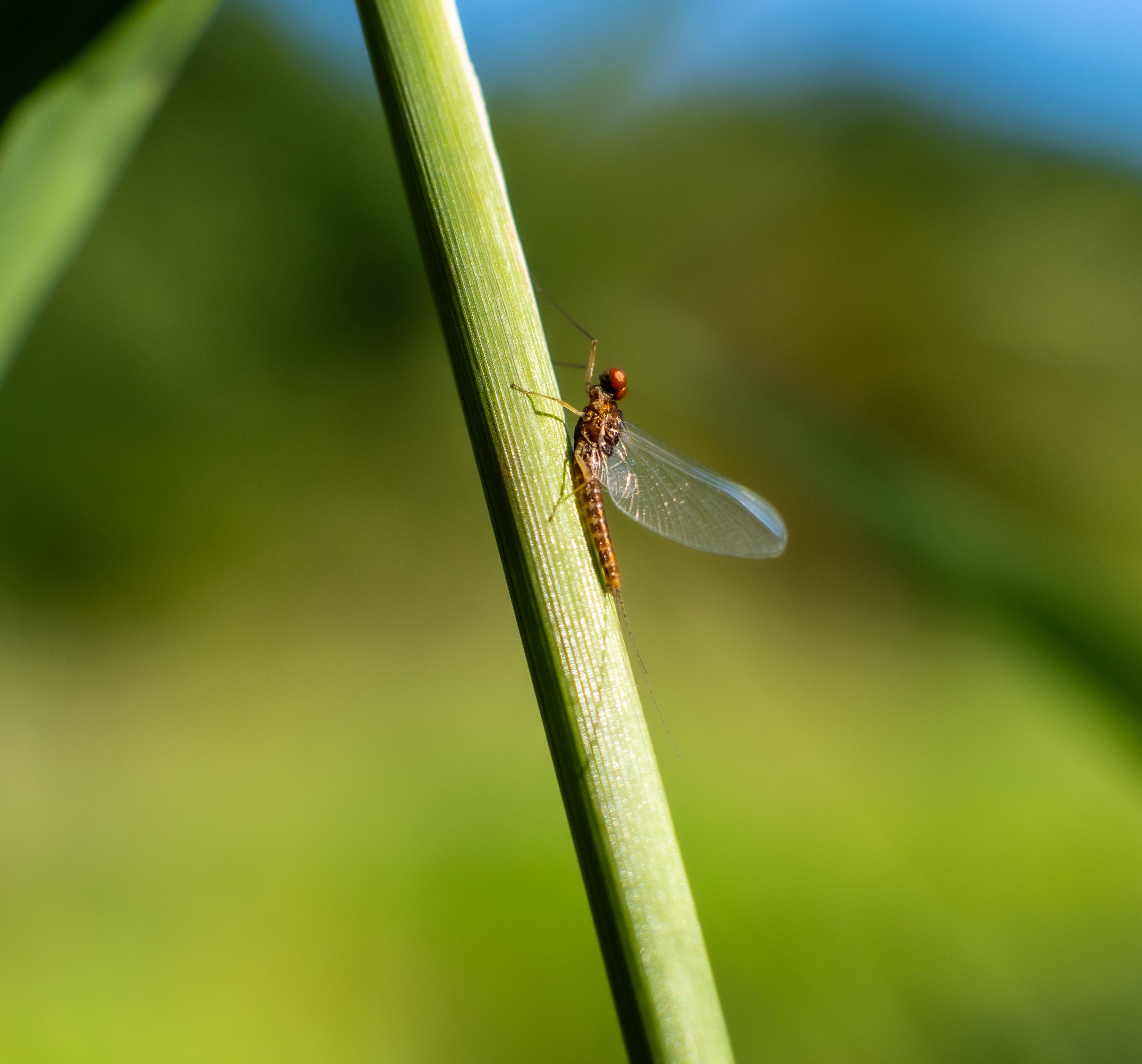
The hatch calendar changes throughout the year. Spring often begins with early mayflies and strong caddis activity, including grannom caddis. Late spring brings blue-winged olives and sulphurs. As the weather warms, Isonychia mayflies become one of the river’s signature hatches. These larger mayflies can bring aggressive surface feeding and are one of the reasons summer dry fly fishing on the Hiwassee is so popular.
Late summer and fall may bring continued Isonychia activity, terrestrials, and October caddis. As temperatures cool, smaller blue-winged olives, midges, and baetis-type insects can become important. Winter can still produce dry fly opportunities, especially on cloudy or mild days, but nymphs and streamers often become more reliable.
When the Hiwassee is fishing well on top, it can be one of the most enjoyable dry fly rivers in the Southeast.
Trout Species in the Hiwassee River
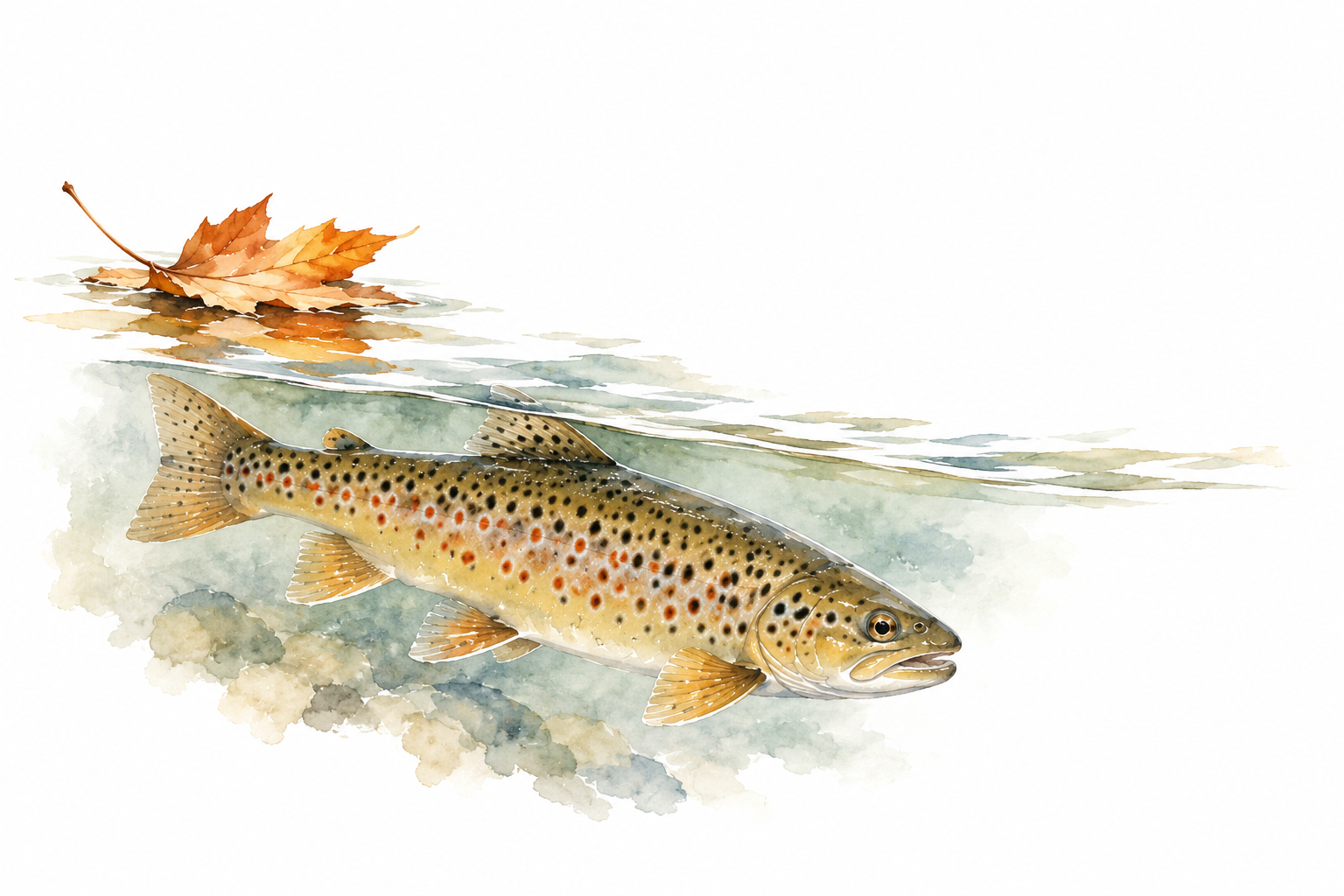
The Hiwassee River tailwater is primarily known for rainbow trout and brown trout. These are the main trout species anglers encounter on most guided trips. Brook trout and cutthroat trout may also be present through stocking programs, adding variety to the fishery.
Average trout are often in the 10- to 12-inch range, with larger fish possible. During certain seasons, especially when food conditions improve or delayed harvest regulations protect fish through fall and winter, anglers may encounter better-sized trout.
The Hiwassee is not managed or fished like a tiny mountain stream. It is a larger tailwater where trout use current, structure, depth, and feeding lanes. Fish may hold in obvious riffles one day and deeper seams or shaded banks the next. This is one reason a guided float trip is so productive: the boat allows us to adjust throughout the day.
EXPLORE MORE ON THE HIWASSEE
More Ways to Fish the Hiwassee
Discover two more popular Hiwassee experiences—from hard-fighting stripers to the seasonal Delayed Harvest section of the fishery.
Delayed Harvest
Learn about special regulations and opportunities of the Delayed Harvest section.
Learn MoreFly Fishing by Season on the Hiwassee River
Spring
Spring is one of the best times to fish the Hiwassee. Trout become more active, insect activity increases, and the river begins to settle into a productive rhythm. Caddis, mayflies, blue-winged olives, and sulphurs can all play a role. This is a strong season for anglers who want a mix of nymph fishing and dry fly opportunities.
Summer
Summer is classic Hiwassee season. The river sees more recreational use, but the trout fishing can be excellent when flows and temperatures cooperate. Isonychia mayflies are a major part of the summer program, and large dry flies can produce some of the most entertaining fishing of the year. This is also the season when our Hiwassee striper fishing opportunities may become part of the conversation for anglers interested in a trophy warm-weather predator.
Fall
Fall brings cooler air, changing leaves, October caddis, and a quieter river. Trout fishing can be excellent, especially as recreational traffic begins to drop. Fall is a favorite season for anglers who want scenery, comfortable weather, and a more relaxed pace on the water.
Winter and Delayed Harvest
Winter is an underrated time to fish the Hiwassee. From October 1 through the last day of February, the section from Apalachia Powerhouse downstream to the L&N Railroad Bridge is managed under delayed harvest regulations. During that period, trout fishing is catch-and-release only, artificial lures are required, and bait is prohibited.
The delayed harvest season can provide excellent fall and winter trout fishing with fewer crowds, protected fish, and the possibility of shad kill streamer fishing after hard cold snaps. For many anglers, this is the Hiwassee’s second season.
The Main Sections of the Hiwassee River
The Hiwassee can be divided into several useful fishing sections. Each fishes differently depending on the season, water level, and target species.
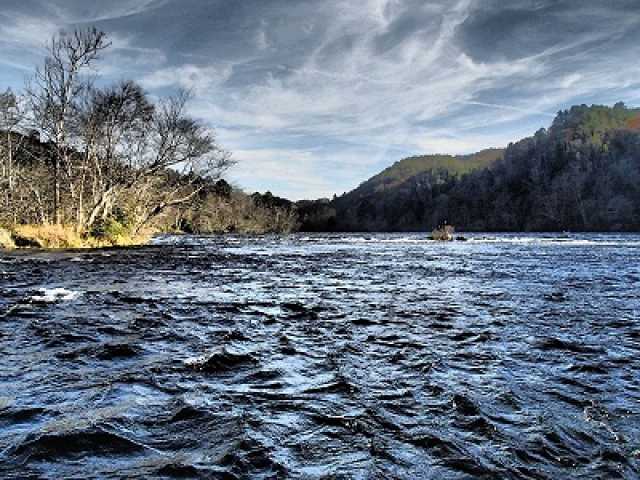
Upper Section: Apalachia Powerhouse to Reliance
This is the best-known guided fly fishing section and the favorite section for many Hiwassee guides. It has excellent trout habitat, reliable access, strong insect activity, and some of the most scenic water on the river. The upper river includes riffles, shoals, ledges, deeper runs, and classic drift boat water.
The John Muir Trail parallels part of this section from Childers Creek toward Big Bend, and there is some roadside access. However, the best way to fish the full section is usually by drift boat.
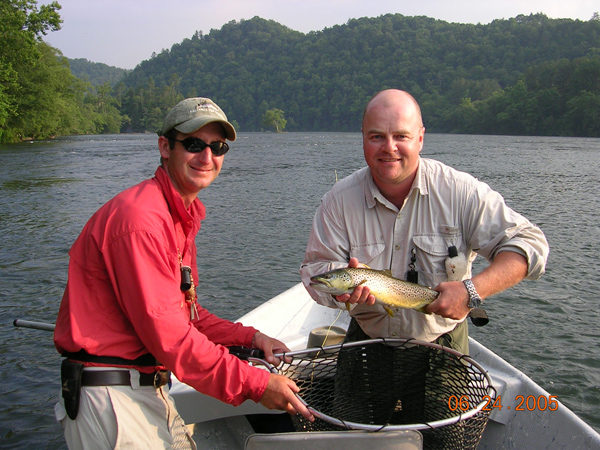
Middle Section: Reliance to Highway 411
The middle section from Reliance downstream toward Highway 411 is different water. It is often easier to wade in certain conditions and can fish well during parts of the year, especially when caddis activity is strong. It can also be floated on appropriate flows.
This section is generally broader and more open than the upper river. It can be productive, but timing and water conditions matter.
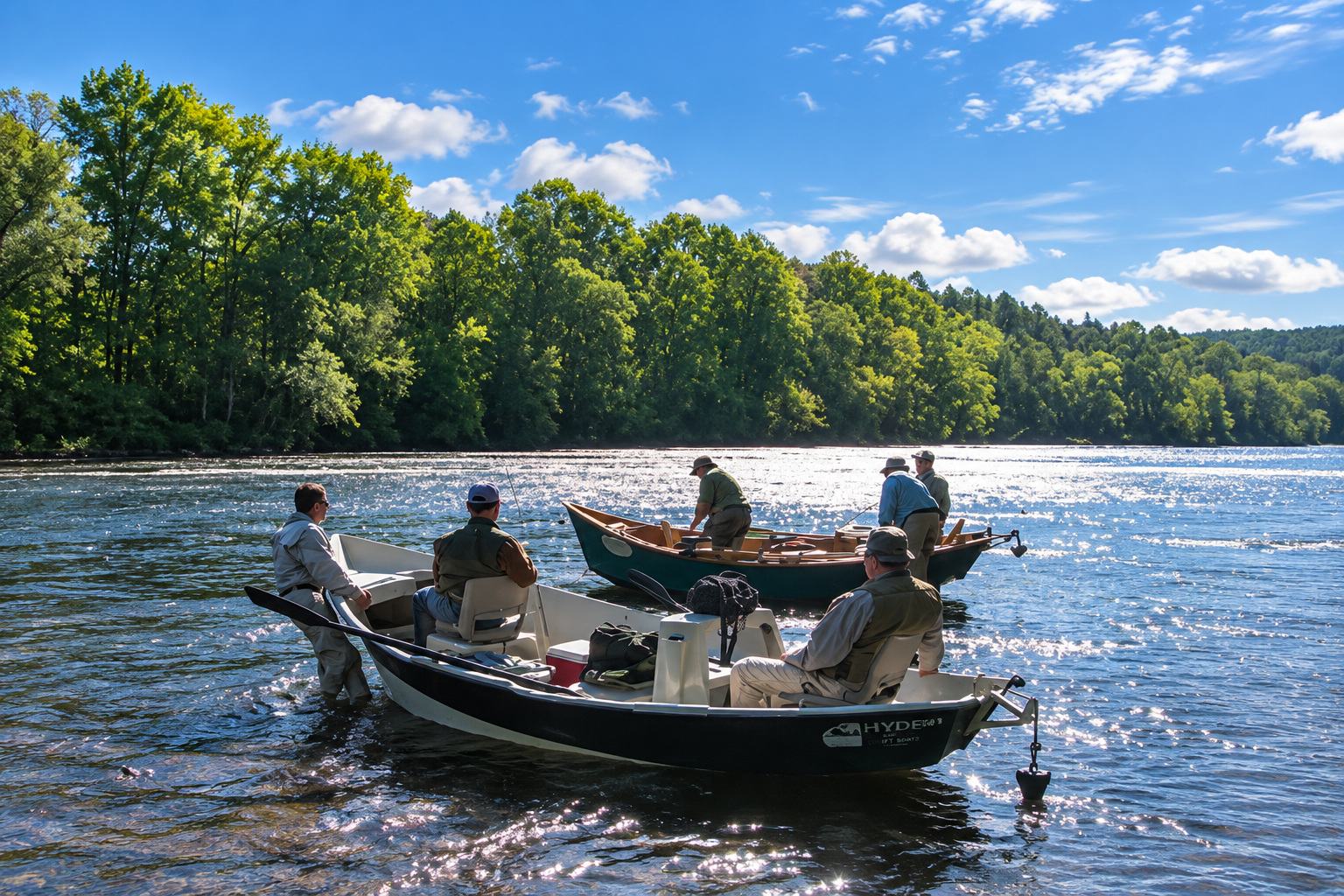
Lower Section: Highway 411 Downstream
The lower Hiwassee changes character again as it moves away from the mountain tailwater setting. This section is often more seasonal from a trout perspective, but it can be productive at certain times of year and is known for strong spring caddis activity.
For most visiting trout anglers, the upper river remains the primary guided fly fishing destination.
Techniques We Use on the Hiwassee
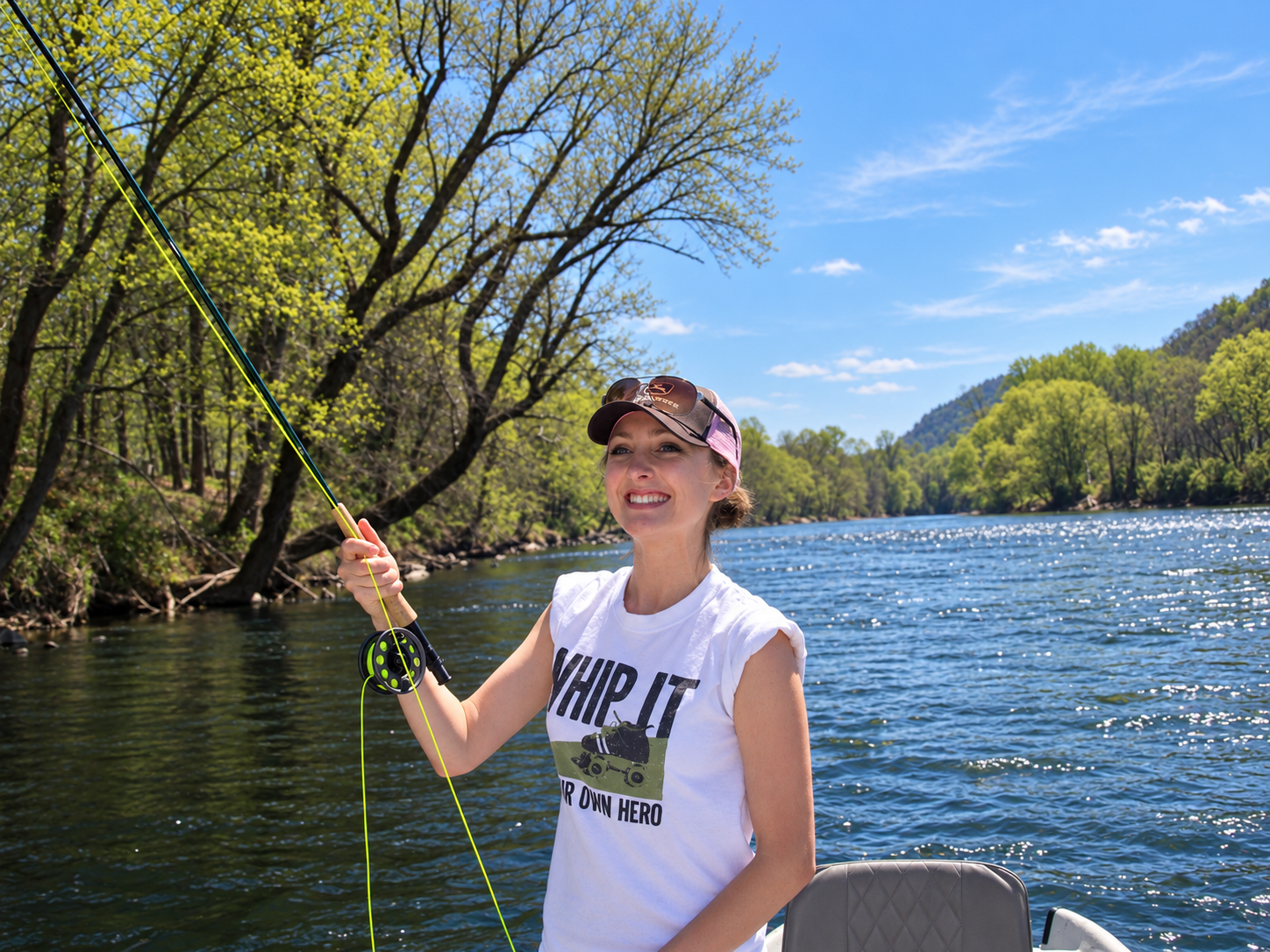
Hiwassee River fly fishing requires flexibility. Our guides may use several techniques in a single day depending on flow, weather, insects, and trout behavior.
Common techniques include:
- Dry fly fishing during caddis, mayfly, midge, and Isonychia activity
- Indicator nymphing through seams, runs, and shoals
- Dry-dropper fishing in broken water
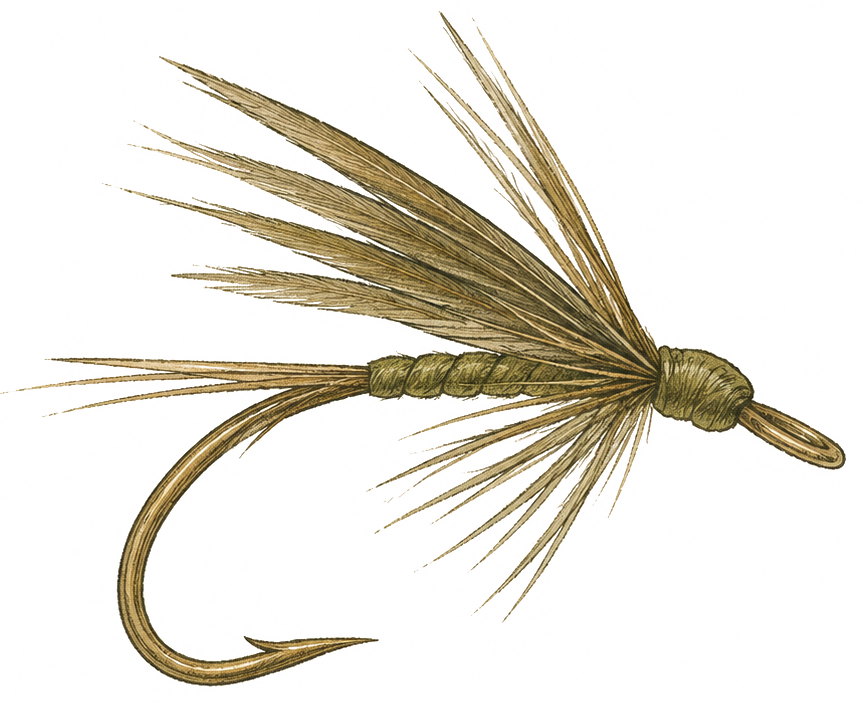
- Soft hackles and emergers during active hatches
- Streamer fishing for larger trout
- White streamer patterns during winter shad kill conditions
- Terrestrial patterns during warm-weather windows
The all-around rod for the Hiwassee is usually a 9-foot 5-weight or 6-weight with a floating line. A 4-weight can be enjoyable on calmer days with smaller dry flies and nymphs. Heavier rods and sink-tip lines may be useful for streamer fishing, windy conditions, or larger patterns.
You do not need to bring every rod you own. We can help you choose the right setup for the season and the day’s conditions.
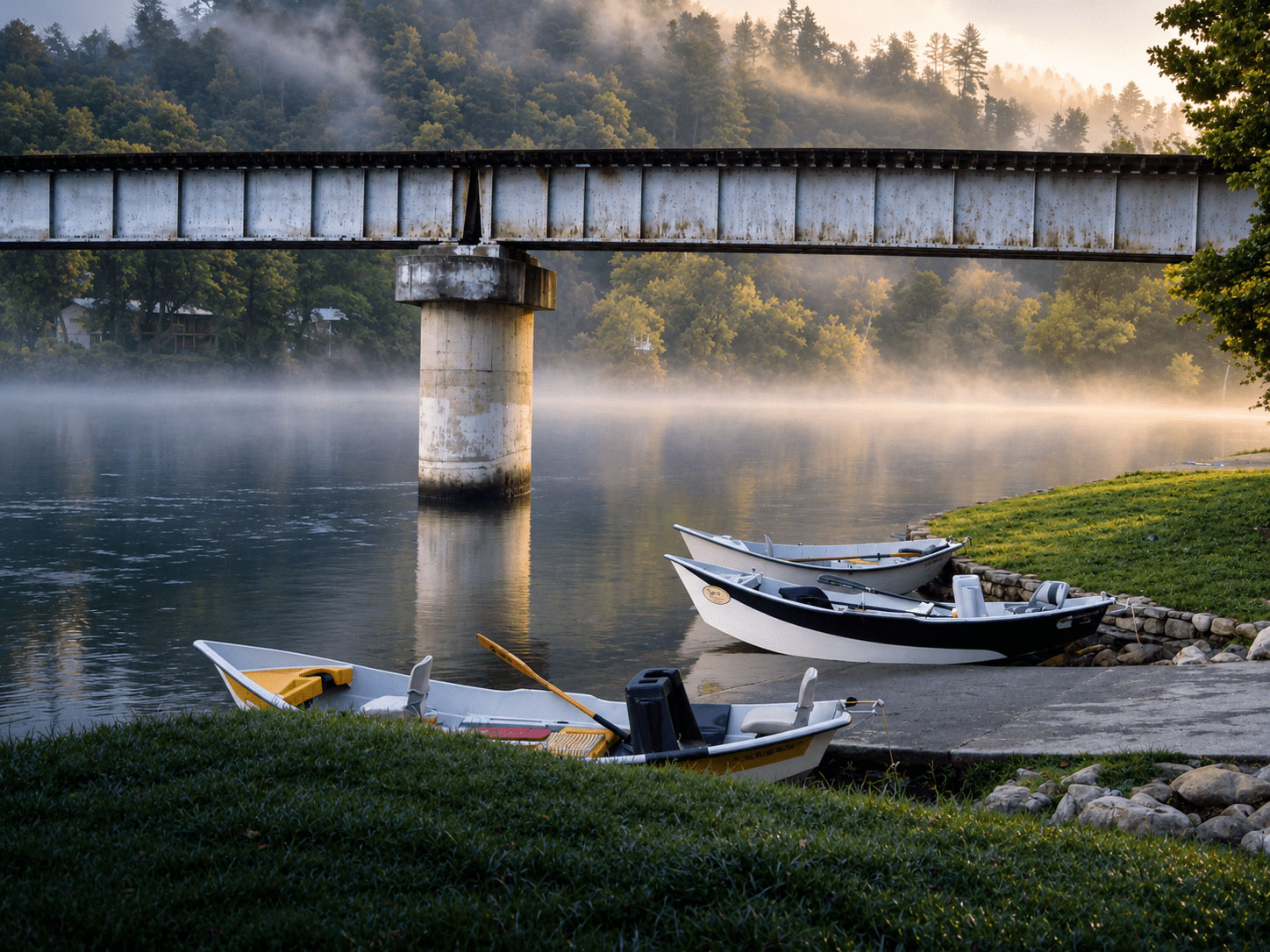
A Good River for Beginners and Experienced Anglers
One reason the Hiwassee is so important to Southeastern Anglers is that it works for a wide range of clients.
New fly anglers can learn casting, mending, line control, hook sets, fish fighting, and basic fly selection in a real trout fishing environment. The river often provides enough action to help beginners stay engaged and improve quickly.
Experienced anglers can focus on technical dry fly fishing, matching hatches, reading seams, refining drifts, streamer fishing, and targeting larger trout. The Hiwassee has enough complexity to reward good anglers while remaining approachable for those still learning.
It is also a strong river for groups. Corporate trips, family outings, and multi-boat guide days work well here because the river offers scenery, space, and fishing opportunity without requiring every angler to be an expert.
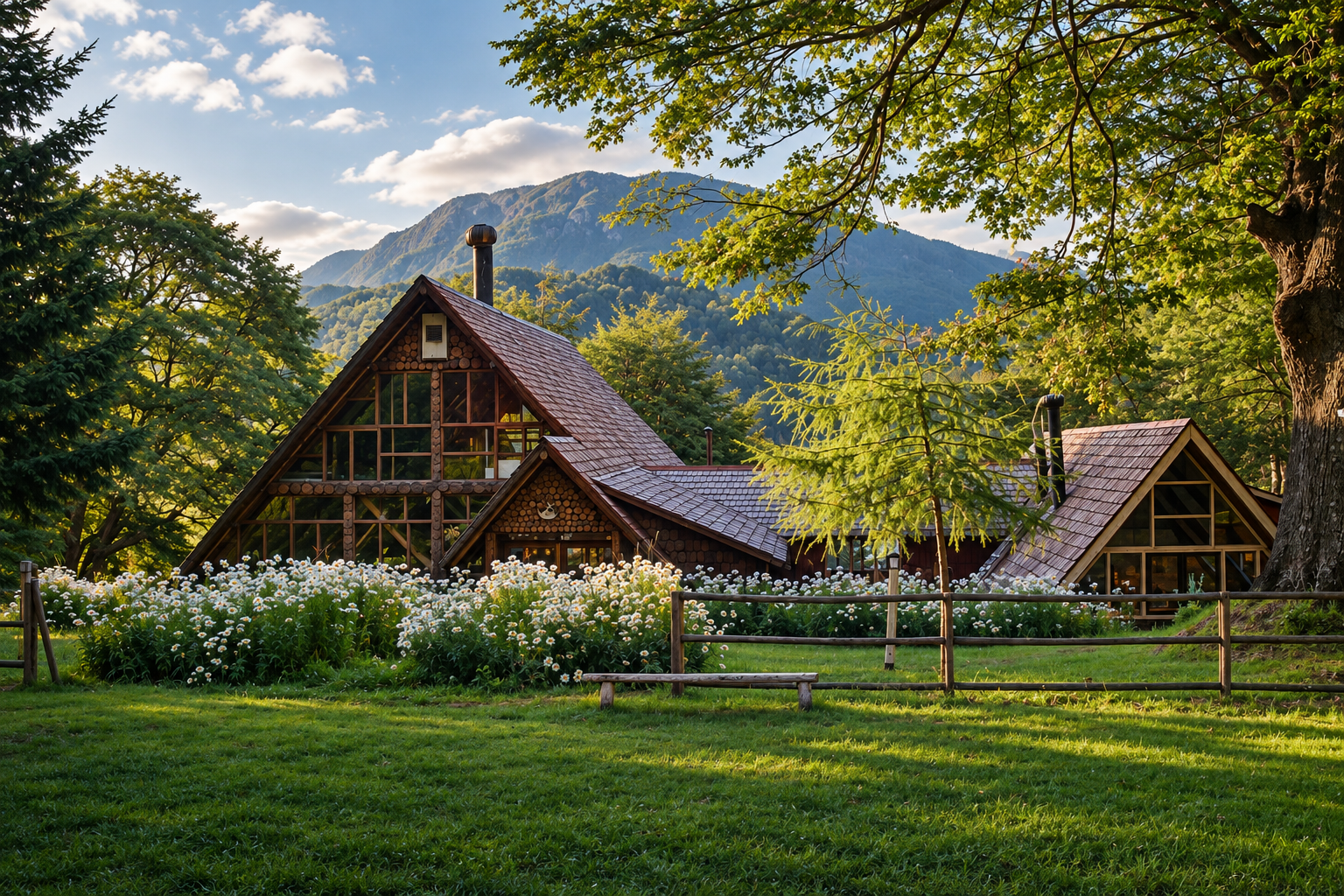
What to Do Around Reliance, Tennessee
Reliance and the surrounding Hiwassee/Ocoee region offer plenty to do before or after a fishing trip. The area is known for rafting, kayaking, hiking, camping, scenic drives, and outdoor recreation. The Ocoee River is nearby, and the Cherokee National Forest surrounds much of the region.
Etowah, Benton, Copperhill, and McCaysville are all within reach for lodging, restaurants, shops, and local sightseeing. The Cherohala Skyway is also a popular scenic drive for visitors spending extra time in the mountains.
This makes the Hiwassee a good destination not only for serious anglers, but also for families and groups with non-angling members.
Frequently Asked Questions About Hiwassee River Fly Fishing
Is the Hiwassee River good for beginners?
Yes. The Hiwassee is one of our favorite rivers for new fly anglers because catch rates are often good, the river is comfortable to float, and the fishing allows beginners to learn quickly with a guide.
What fish are in the Hiwassee River?
The Hiwassee tailwater is best known for rainbow trout and brown trout. Brook trout and cutthroat trout may also be present through stocking programs. In summer, striped bass may also move into the system.
When is the best time to fish the Hiwassee River?
The Hiwassee can fish well most of the year. Spring, summer, and fall are strong hatch seasons. Fall and winter delayed harvest fishing can also be excellent, especially for anglers who want fewer crowds and catch-and-release trout fishing.
What is delayed harvest season on the Hiwassee River?
Delayed harvest season runs from October 1 through the last day of February on the section from Apalachia Powerhouse downstream to the L&N Railroad Bridge. During that period, trout fishing is catch-and-release only, artificial lures are required, and bait is prohibited.
Can you wade fish the Hiwassee River?
Yes, there is wading access in certain sections and under certain flows. However, the Hiwassee is a tailwater with changing generation, so anglers should use caution and check TVA release information before wading.
What flies work on the Hiwassee River?
Common Hiwassee patterns imitate caddis, blue-winged olives, sulphurs, Isonychia mayflies, midges, stoneflies, terrestrials, scuds, sow bugs, and baitfish. Productive patterns change by season and flow.
Do you use drift boats on the Hiwassee River?
Yes. Our Hiwassee River guided trips are primarily drift boat float trips. Drift boats allow us to cover the best water safely and efficiently while keeping anglers in position for productive drifts.
Where is the Hiwassee River trout fishery?
The primary Hiwassee River trout fishery is near Reliance, Tennessee, below TVA’s Apalachia Powerhouse in the Cherokee National Forest.